Maximizing the Power of Database Applications in 2024: Trends, Strategies, and Best Practices
In today’s data-driven world, database applications are the backbone of countless businesses, powering everything from customer management systems to complex enterprise solutions. As technology evolves rapidly, staying ahead in developing and deploying effective database applications is essential for maintaining competitive advantage. Whether you're a seasoned developer or a business owner seeking to optimize your data infrastructure, understanding current trends and best practices can significantly enhance your success in 2024.
Emerging Trends in Database Applications for 2024
Staying abreast of the latest developments in database applications is crucial for leveraging their full potential. Here are some key trends shaping the landscape this year:
- Cloud-Native Databases: Transitioning to cloud platforms like AWS, Google Cloud, and Azure is now standard. Cloud-native databases offer scalability, flexibility, and cost efficiency, enabling businesses to adapt swiftly to changing demands.
- Artificial Intelligence and Machine Learning Integration: Embedding AI/ML capabilities into database applications allows for smarter data analysis, predictive insights, and automation, transforming raw data into strategic assets.
- Hybrid and Multi-Cloud Strategies: Combining multiple cloud providers and on-premises solutions provides resilience and avoids vendor lock-in, ensuring continuous availability for critical database applications.
- Edge Computing: Processing data closer to its source reduces latency and bandwidth costs, making database applications more responsive and suitable for IoT and real-time analytics.
- Security-First Approach: With increasing data breaches, prioritizing security in database applications—through encryption, access controls, and audit trails—is more vital than ever.
Best Practices for Building Robust and Efficient Database Applications
Developing database applications that are scalable, secure, and easy to maintain requires adherence to certain best practices. Here are actionable strategies to implement:
- Design with Scalability in Mind: Use normalized database schemas to reduce redundancy and optimize query performance. Incorporate indexing wisely to speed up data retrieval as your dataset grows.
- Prioritize Data Security: Implement role-based access control, encrypt sensitive data both at rest and in transit, and regularly audit your database activity logs.
- Optimize Performance: Regularly monitor query performance and optimize slow-running queries. Consider caching frequently accessed data to reduce load on the database.
- Utilize Modern Technologies: Integrate NoSQL databases like MongoDB or Cassandra for handling unstructured data alongside traditional relational databases, enhancing flexibility.
- Implement Disaster Recovery Plans: Regular backups, replication, and failover strategies are essential to minimize downtime and data loss during unforeseen events.
- Leverage Automation: Automate routine maintenance tasks such as backups, updates, and monitoring to reduce human error and improve reliability.
- Focus on User Experience: Design intuitive interfaces and APIs for your database applications to facilitate seamless integration and usage by end-users and developers.
Actionable Steps to Develop Effective Database Applications Today
To get started with building powerful database applications immediately, follow these practical steps:
- Assess Your Data Needs: Understand the types of data you will handle, volume, velocity, and security requirements to choose appropriate database technologies.
- Create a Clear Data Model: Design a logical schema that accurately reflects your business processes, ensuring efficient data storage and retrieval.
- Select the Right Technology Stack: Based on your requirements, select relational (MySQL, MSSQL) or NoSQL databases, or a hybrid approach.
- Develop Your Application Logic: Use modern frameworks and languages, ensuring your code interacts efficiently with the database.
- Test Rigorously: Conduct performance, security, and usability testing to identify and fix issues before deployment.
- Deploy and Monitor: Launch your database application with comprehensive monitoring tools to track performance and security metrics.
- Iterate and Improve: Continuously gather feedback, analyze performance data, and refine your application to meet evolving business needs.
Real-World Examples of Successful Database Applications
Many businesses have harnessed the power of database applications to transform their operations. For instance:
- Amazon: Utilizes distributed NoSQL database systems like DynamoDB to handle billions of transactions daily, ensuring high availability and scalability.
- Netflix: Implements a combination of relational and NoSQL databases to manage vast amounts of user data, enabling personalized recommendations and streaming efficiency.
- Healthcare Providers: Many hospitals use integrated database applications to securely store and access patient records, improving care delivery and compliance.
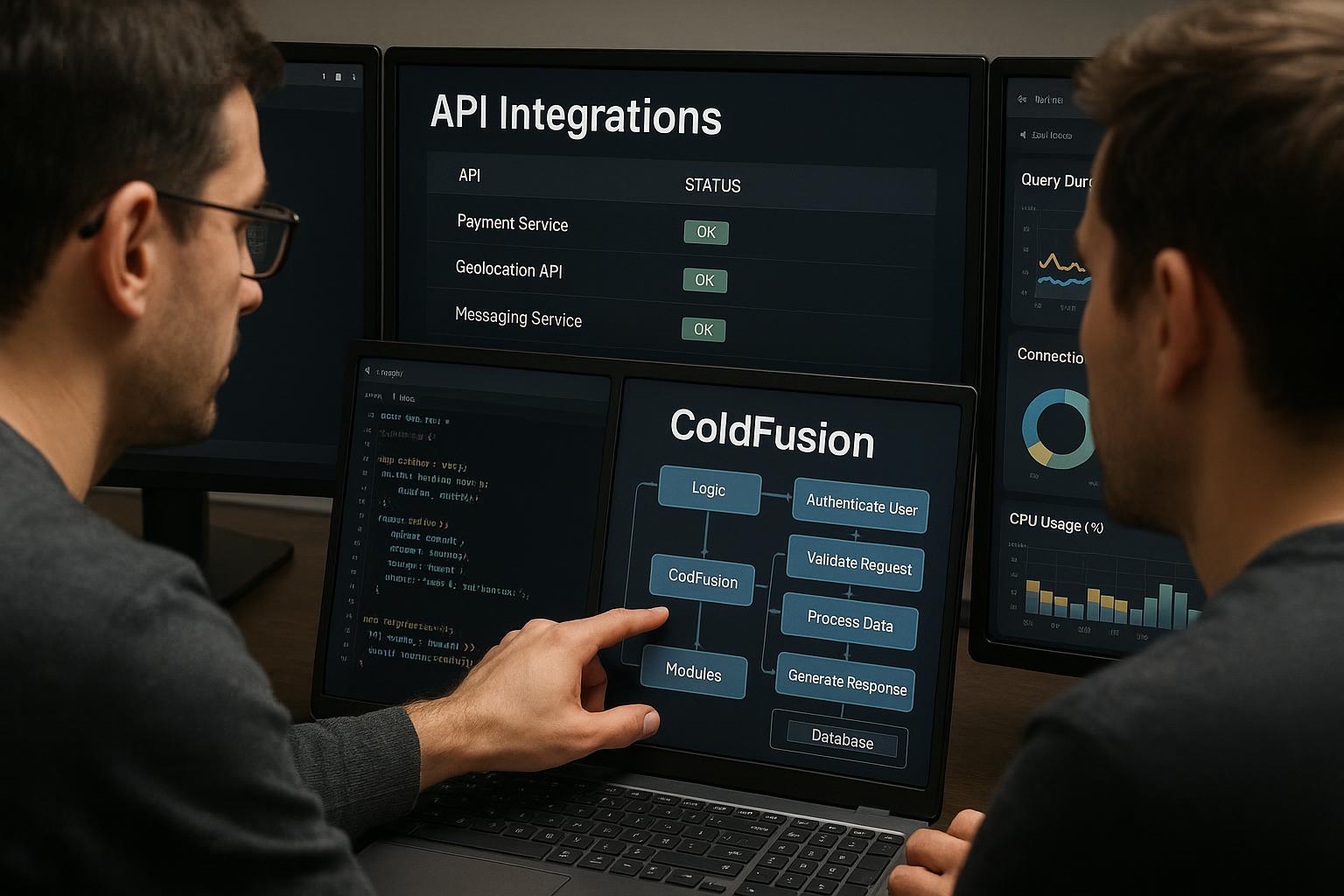
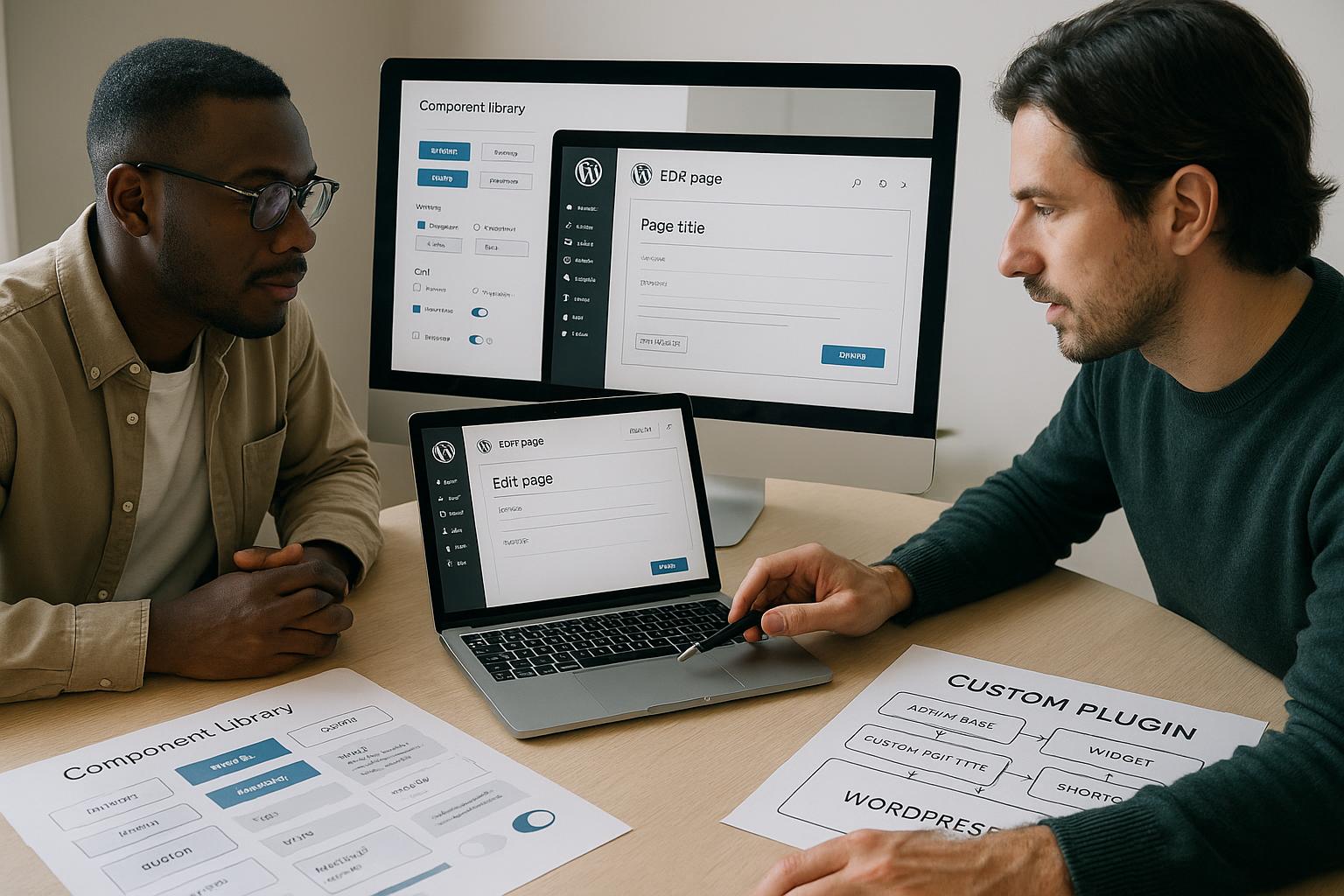
At Headline Media, our team of expert web developers, certified ColdFusion specialists, top-tier graphic designers, and database experts in MySQL and MSSQL are ready to assist you in creating tailored database applications that meet your unique needs. With our extensive experience, we ensure your data infrastructure is robust, secure, and future-proof.
For more information, please contact us at chris@headlinemedia.com or call (310) 378-4073.
Contact Headline Media
Partner with Headline Media to leverage cutting-edge database applications that drive efficiency and growth. Our team provides end-to-end solutions, from design and development to implementation and ongoing support. Whether you need a custom database system or want to optimize existing infrastructure, we are the experts in Palos Verdes and beyond. Let us help you turn your data into your most valuable asset.
Testimonials
"Headline Media transformed our data management system, making it faster and more secure. Highly recommended!"
- Sarah Johnson
"Their team of experts delivered a custom database application that perfectly fit our business needs. Excellent service and support."
- David Lee
"Thanks to Headline Media, our database runs smoothly, and our team can focus on growth instead of technical issues."
- Maria Gonzalez
Frequently Asked Questions about Database Applications
1. What are the main types of database applications?
Database applications can be broadly categorized into relational database applications, NoSQL applications, and hybrid systems that combine both to meet diverse data management needs.
2. How do I choose the right database technology for my business?
Consider factors such as data volume, structure, scalability requirements, security needs, and budget. Consulting with experts like Headline Media can help determine the optimal solution.
3. What security measures are essential for protecting database applications?
Implement encryption, access controls, regular security audits, and backup strategies to safeguard your data from breaches and loss.
4. How can I ensure my database application remains scalable as my business grows?
Design your database schema with scalability in mind, utilize cloud services, and incorporate automation and load balancing to handle increasing data loads efficiently.
5. What are the benefits of outsourcing database application development?
Outsourcing to experienced developers provides access to specialized skills, faster deployment, cost savings, and ongoing support, ensuring your database applications are top-tier.