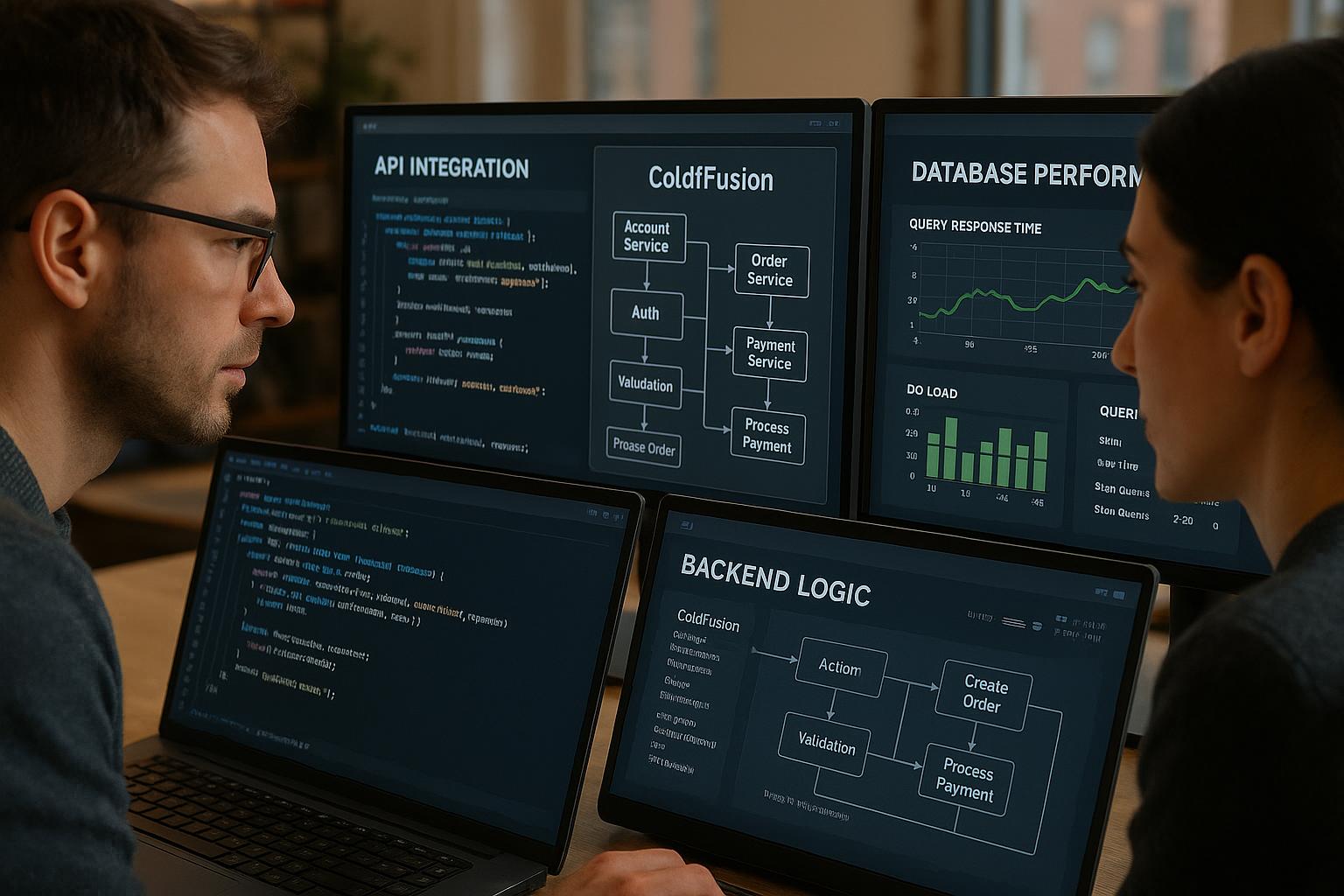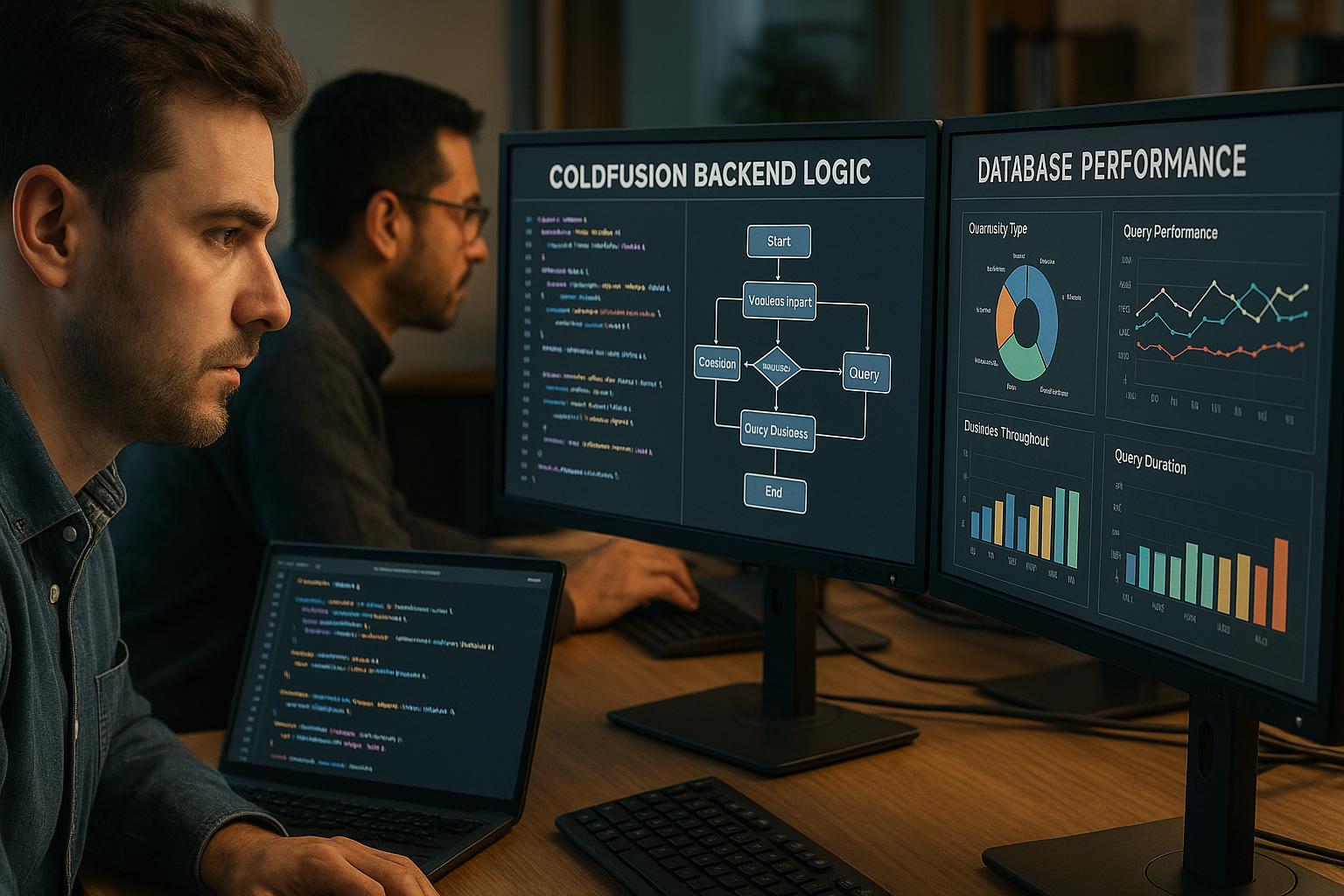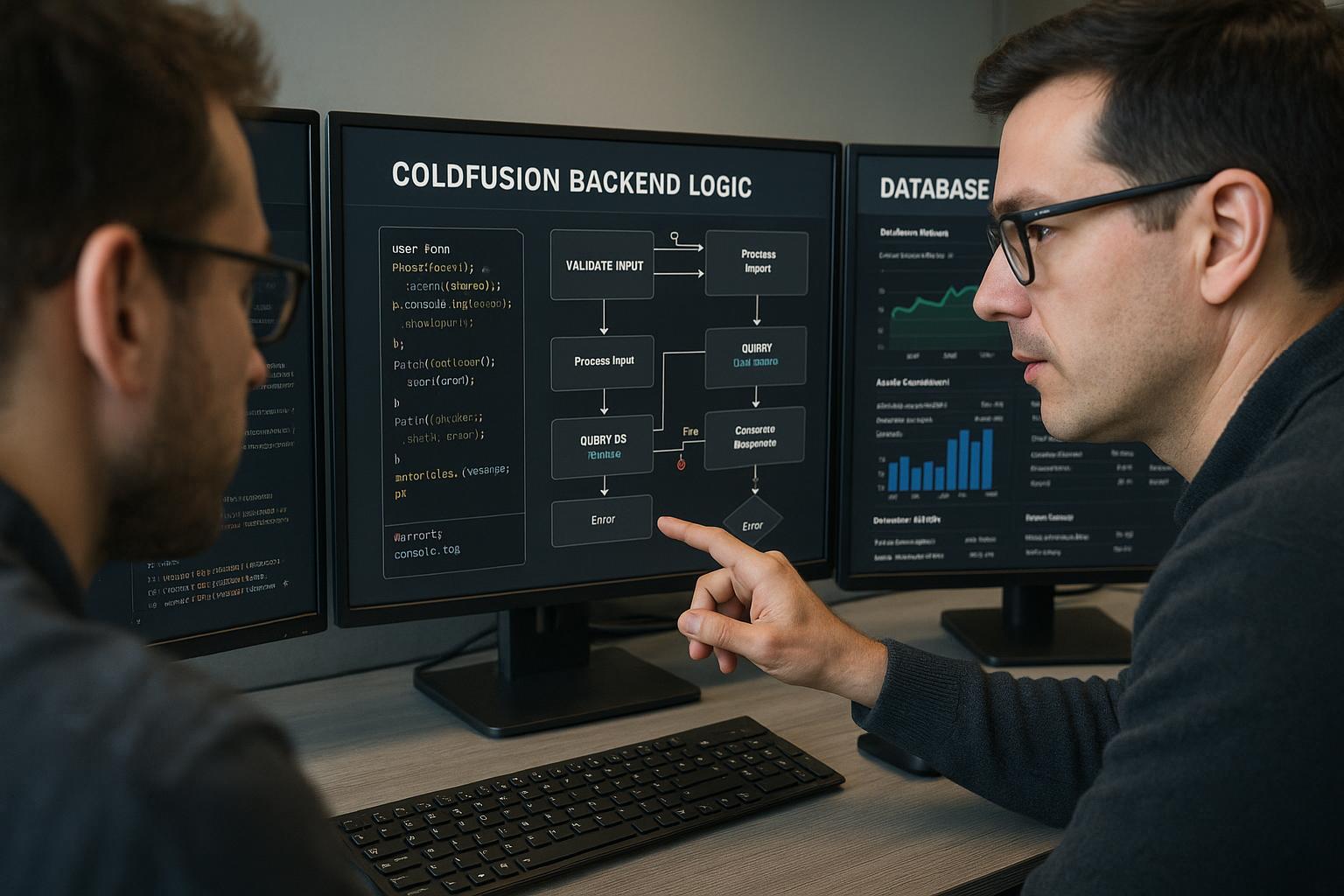

In today’s digital age, database applications are the backbone of countless industries, powering everything from e-commerce platforms to enterprise management systems. As technology evolves rapidly, developers and businesses must stay ahead by adopting innovative trends and best practices to ensure their database applications are scalable, secure, and efficient. This article explores the top trends shaping database applications in 2024, alongside actionable strategies to implement them effectively.
Over the years, database applications have transitioned from simple data storage solutions to complex systems capable of real-time analytics, AI integration, and cloud adaptability. The shift towards cloud-native architectures and the increasing demand for high availability, security, and performance have driven developers to embrace new tools, frameworks, and methodologies.
Cloud platforms like AWS, Azure, and Google Cloud are redefining how database applications are built and maintained. Cloud-native databases such as Amazon Aurora or Google Cloud Spanner offer scalability, reduced latency, and simplified management. Hybrid architectures combining on-premise and cloud systems provide flexibility for businesses transitioning to the cloud.
The integration of AI capabilities directly into database applications enables predictive analytics, anomaly detection, and intelligent data retrieval. Tools like TensorFlow or PyTorch are increasingly embedded to enhance decision-making processes.
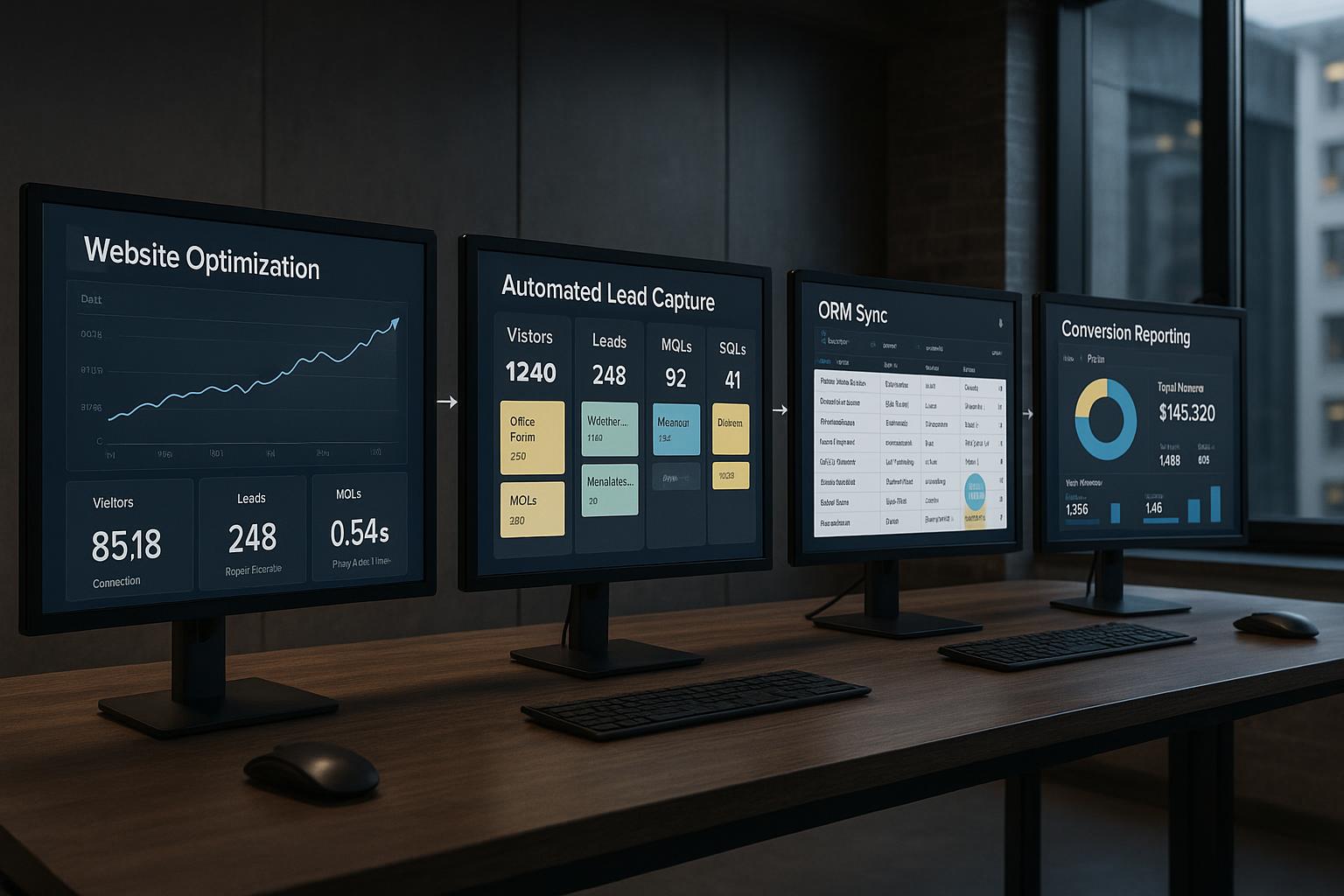
With the rise of IoT and mobile applications, real-time data processing has become critical. Technologies such as Kafka, Apache Pulsar, and cloud-native streaming services facilitate instant data updates and analytics, empowering businesses to respond swiftly to changing conditions.
Security remains paramount. Implementing encryption at rest and in transit, role-based access control, and regular audits are crucial. Compliance standards like GDPR, HIPAA, and CCPA influence how database applications are designed to protect sensitive data.
Emerging low-code/no-code platforms enable rapid development of database applications with minimal coding. These tools democratize app creation, allowing non-technical users to build and modify database solutions efficiently.
Anticipate future growth by choosing scalable database solutions like distributed SQL or NoSQL systems. Proper indexing, normalization, and partitioning can enhance performance as data volume expands.
Implement multi-layered security protocols, including firewalls, encryption, and access controls. Regular security audits and compliance checks help prevent breaches and data leaks.
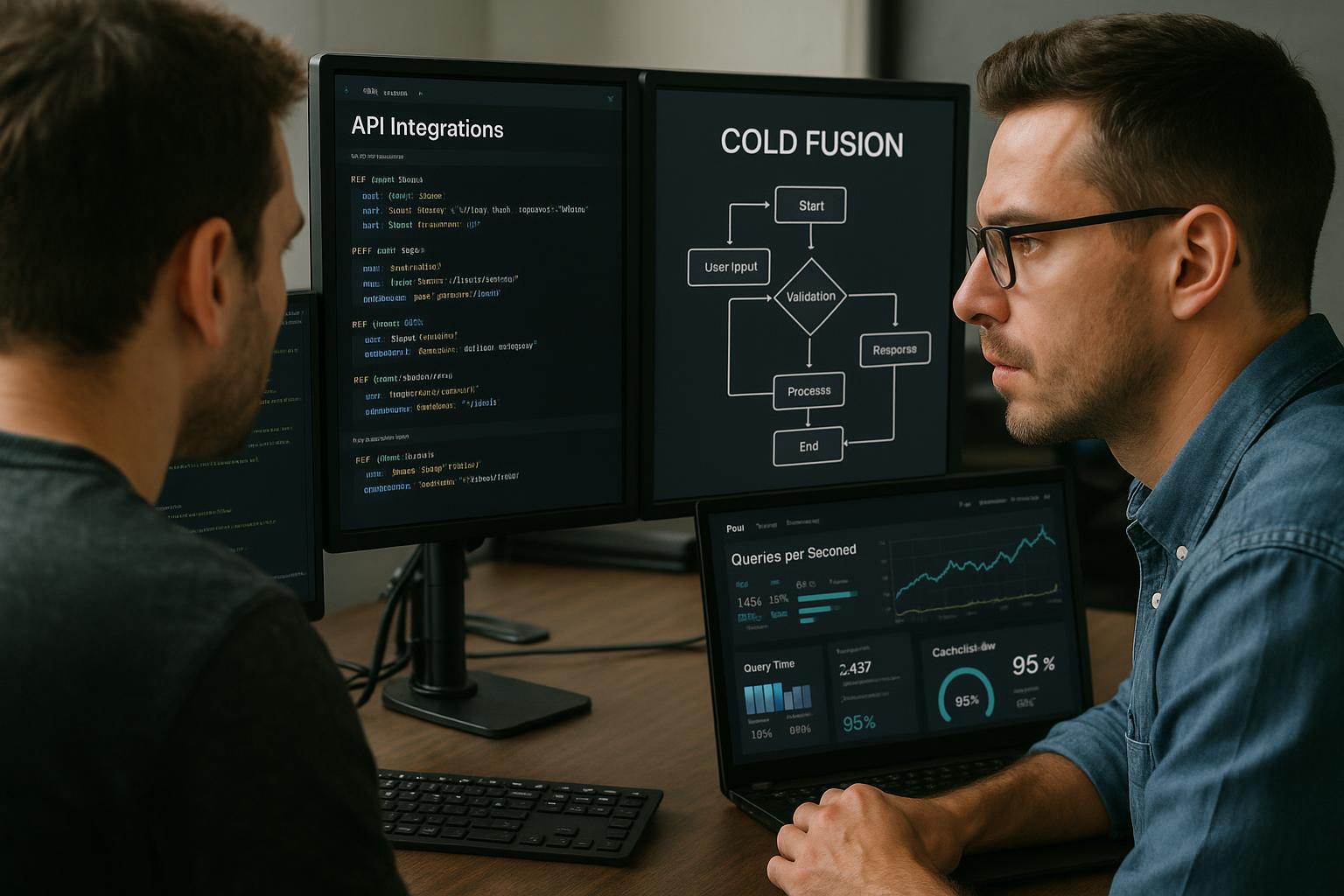
Regularly analyze query performance and optimize indexes. Use caching strategies and denormalization where appropriate to reduce latency.
Automate routine maintenance tasks such as backups, updates, and health checks. Monitoring tools like New Relic or DataDog provide insights into system health and performance issues.
Iterative development, continuous integration, and regular testing ensure your database applications remain flexible and responsive to changing requirements.
One notable example is a leading e-commerce company that revamped its database applications to handle increasing traffic and data complexity. By migrating to a cloud-native, highly scalable database architecture combined with real-time analytics, they improved transaction speed by 40% and reduced downtime. Additionally, integrating AI-powered recommendation engines enhanced customer experience and increased sales conversions. This transformation underscores the importance of adopting current database applications trends and best practices to stay competitive.
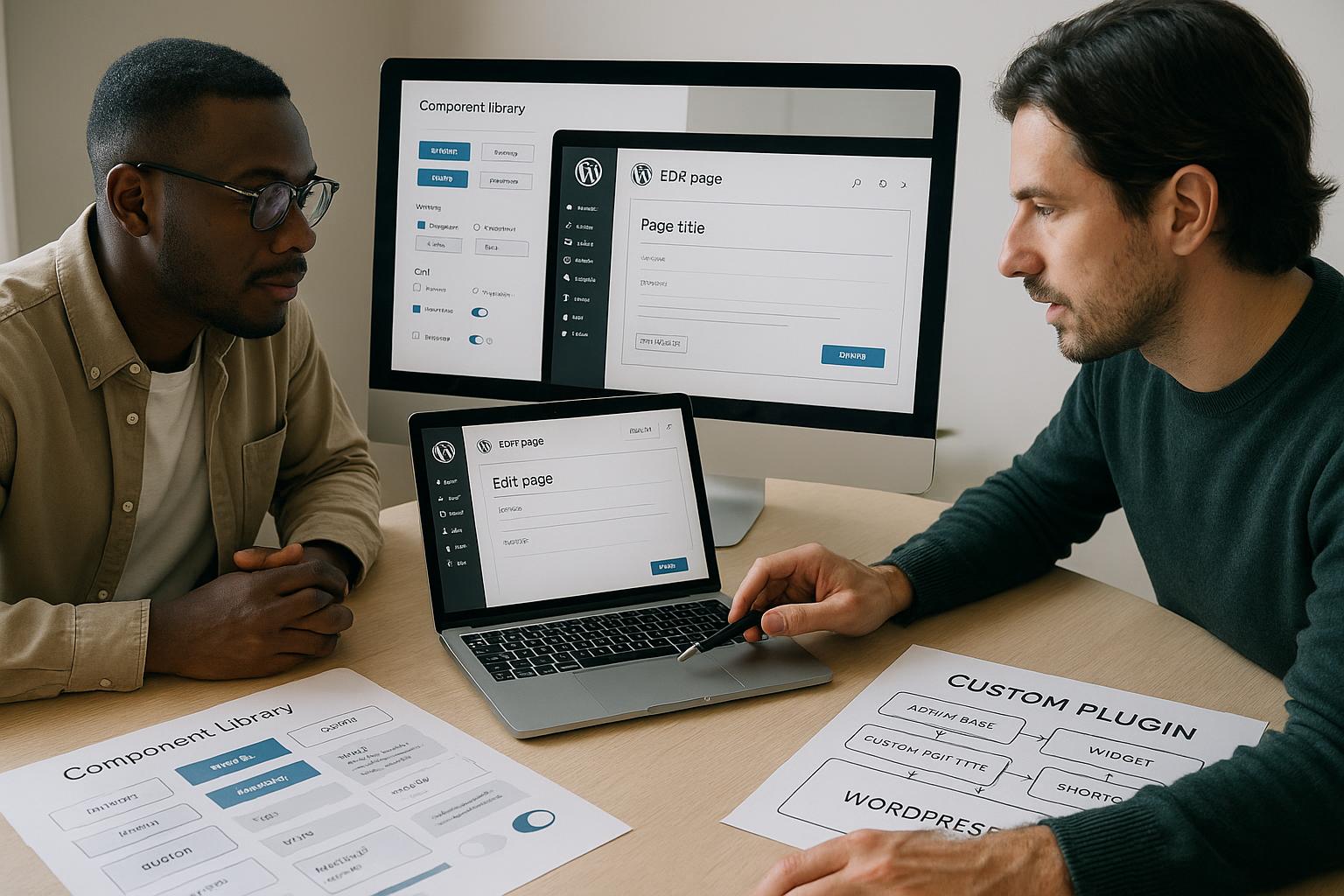
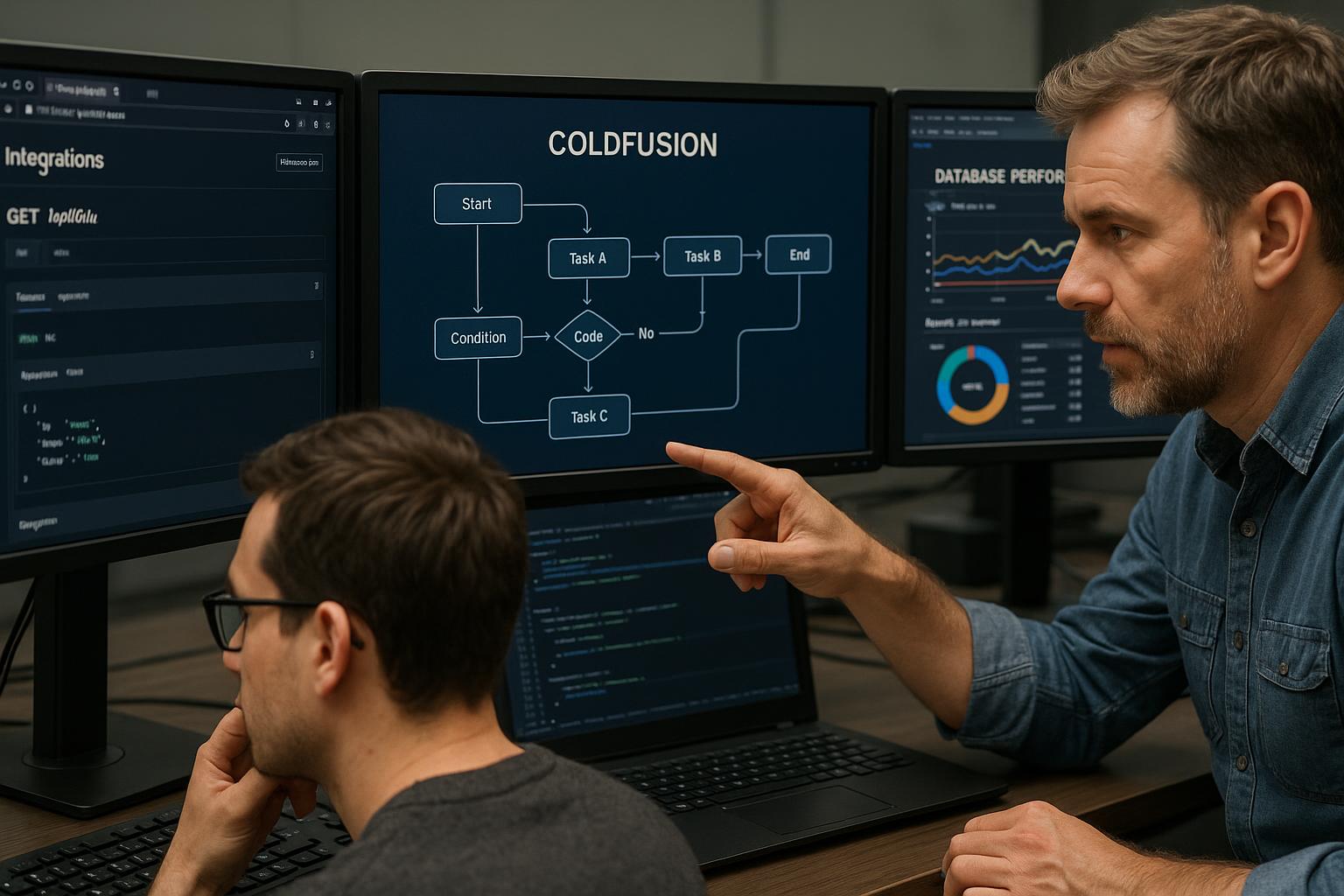
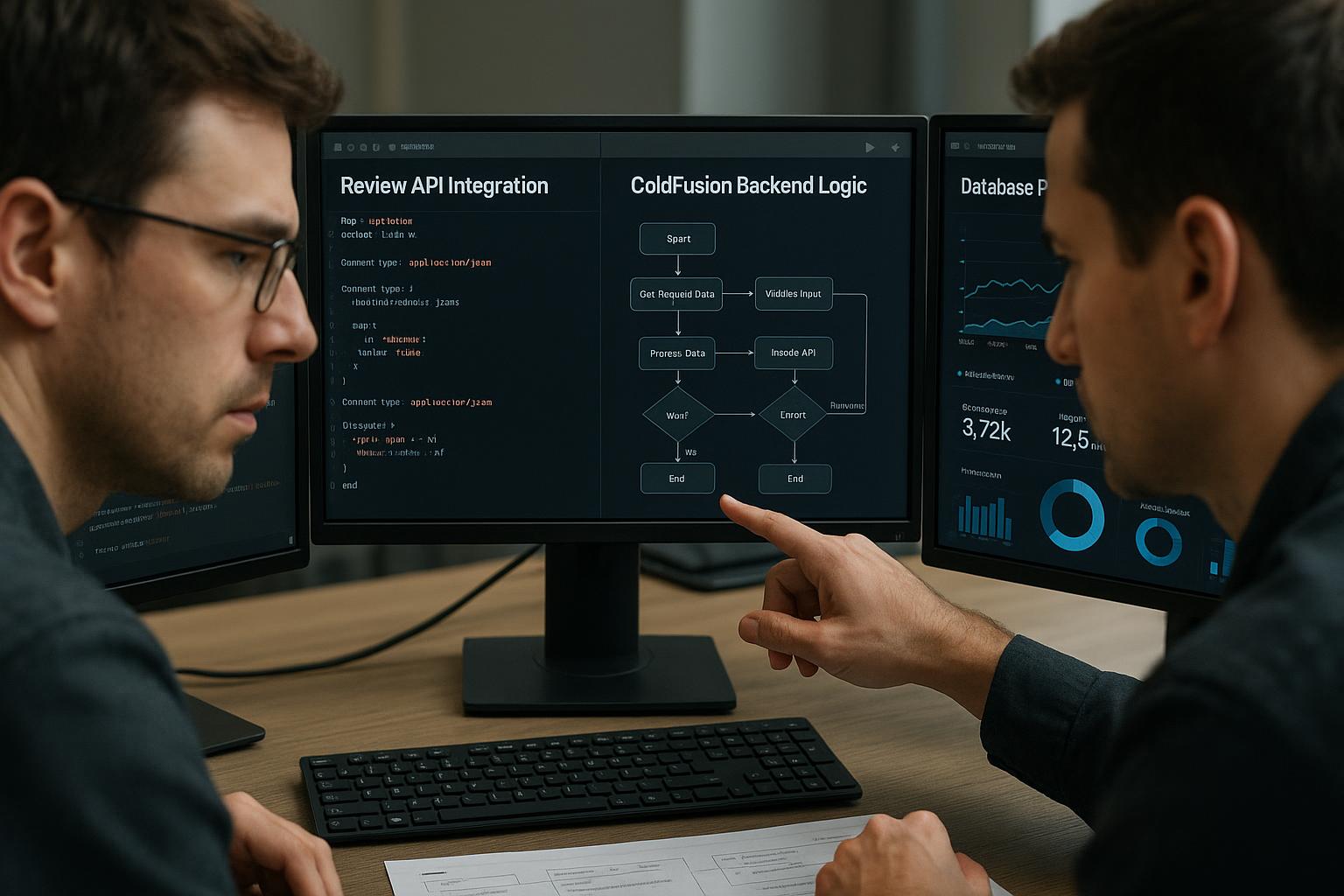
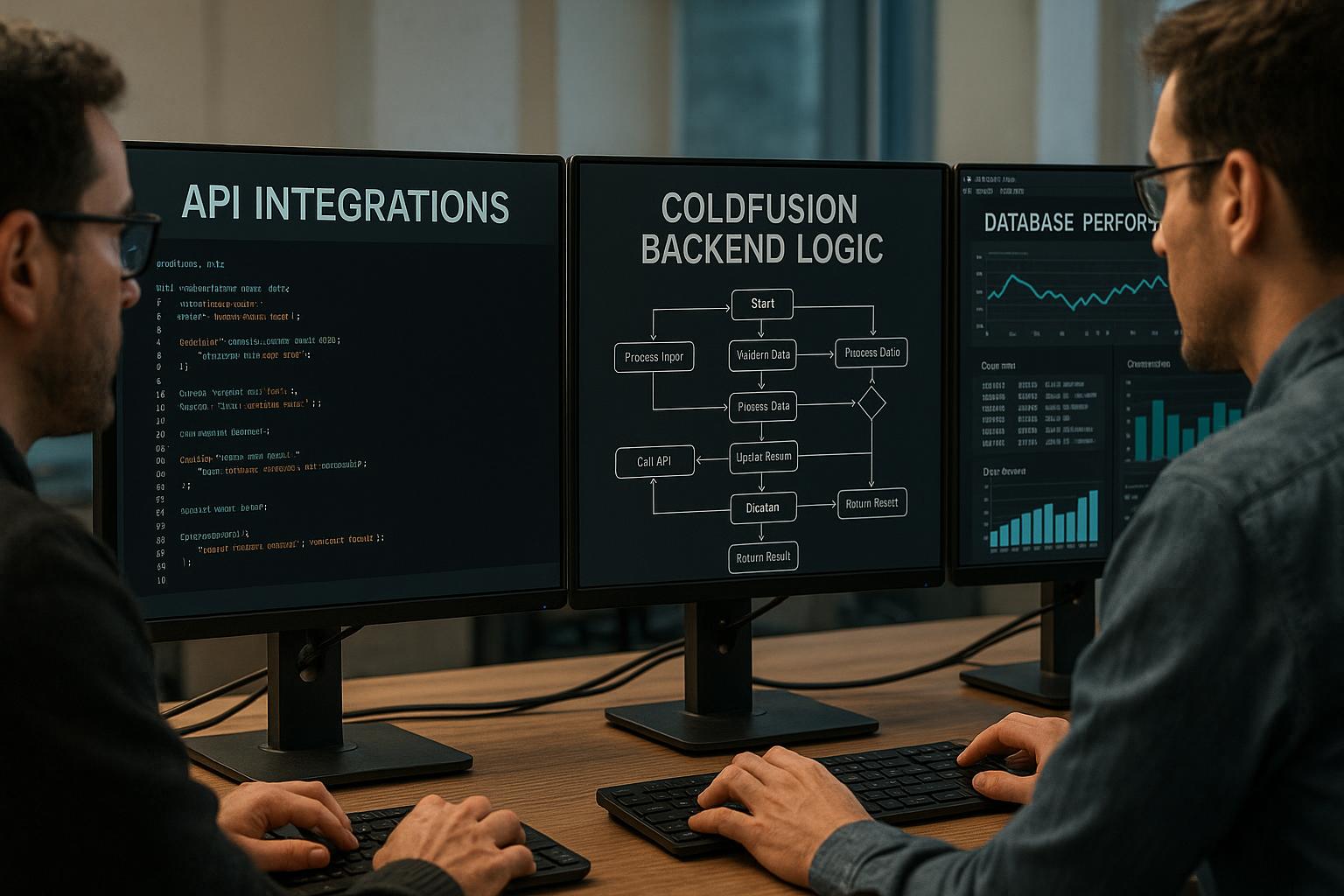
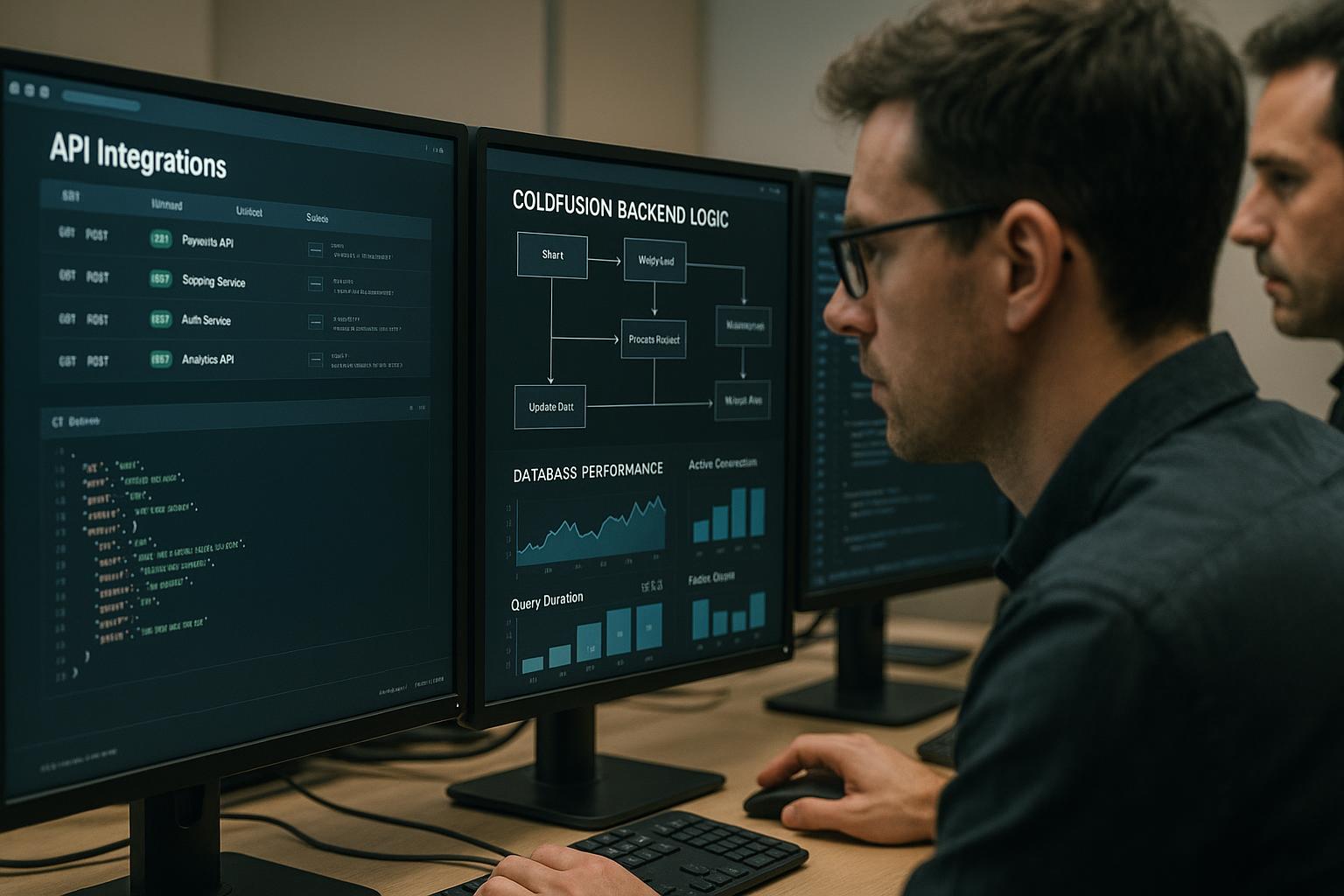
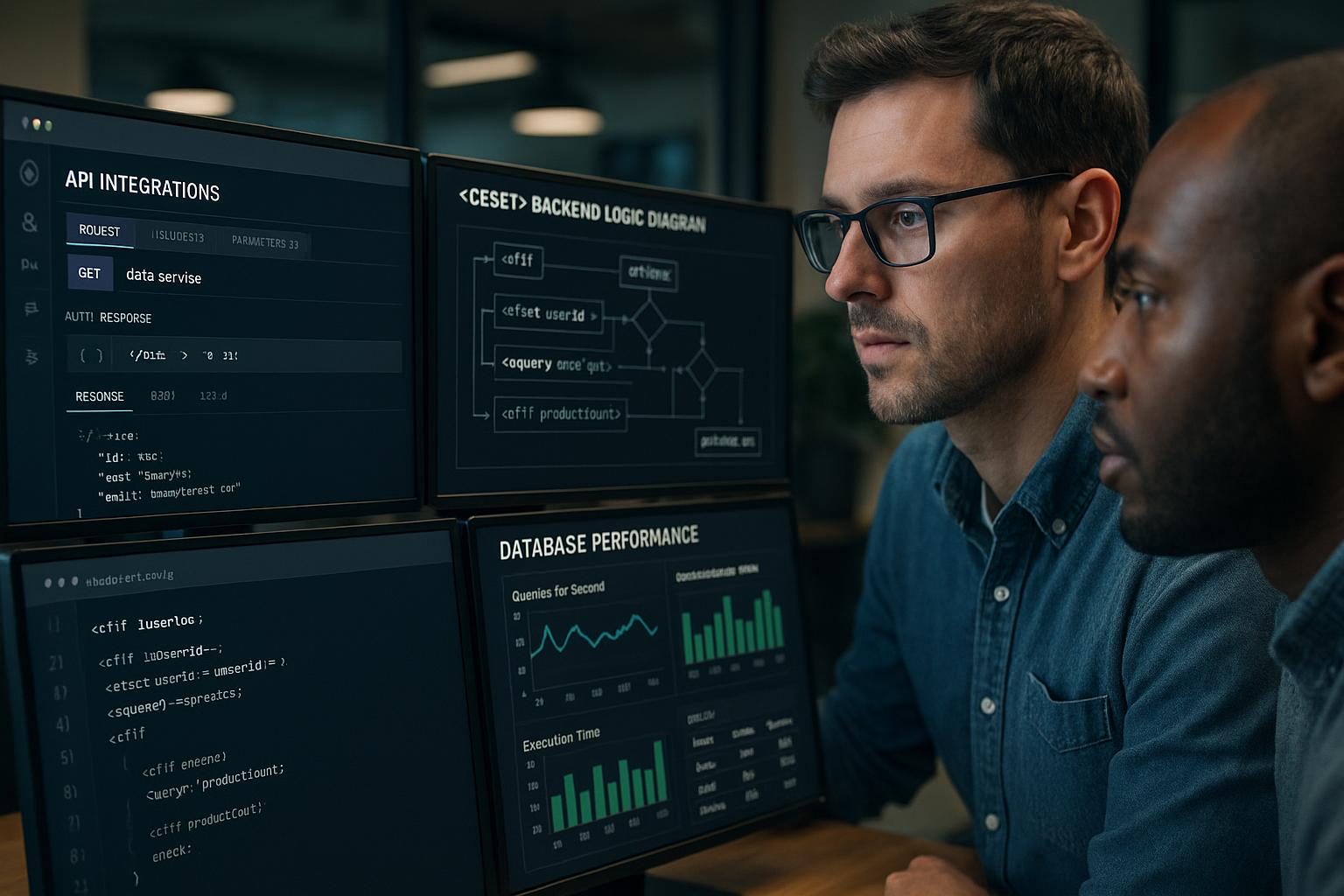
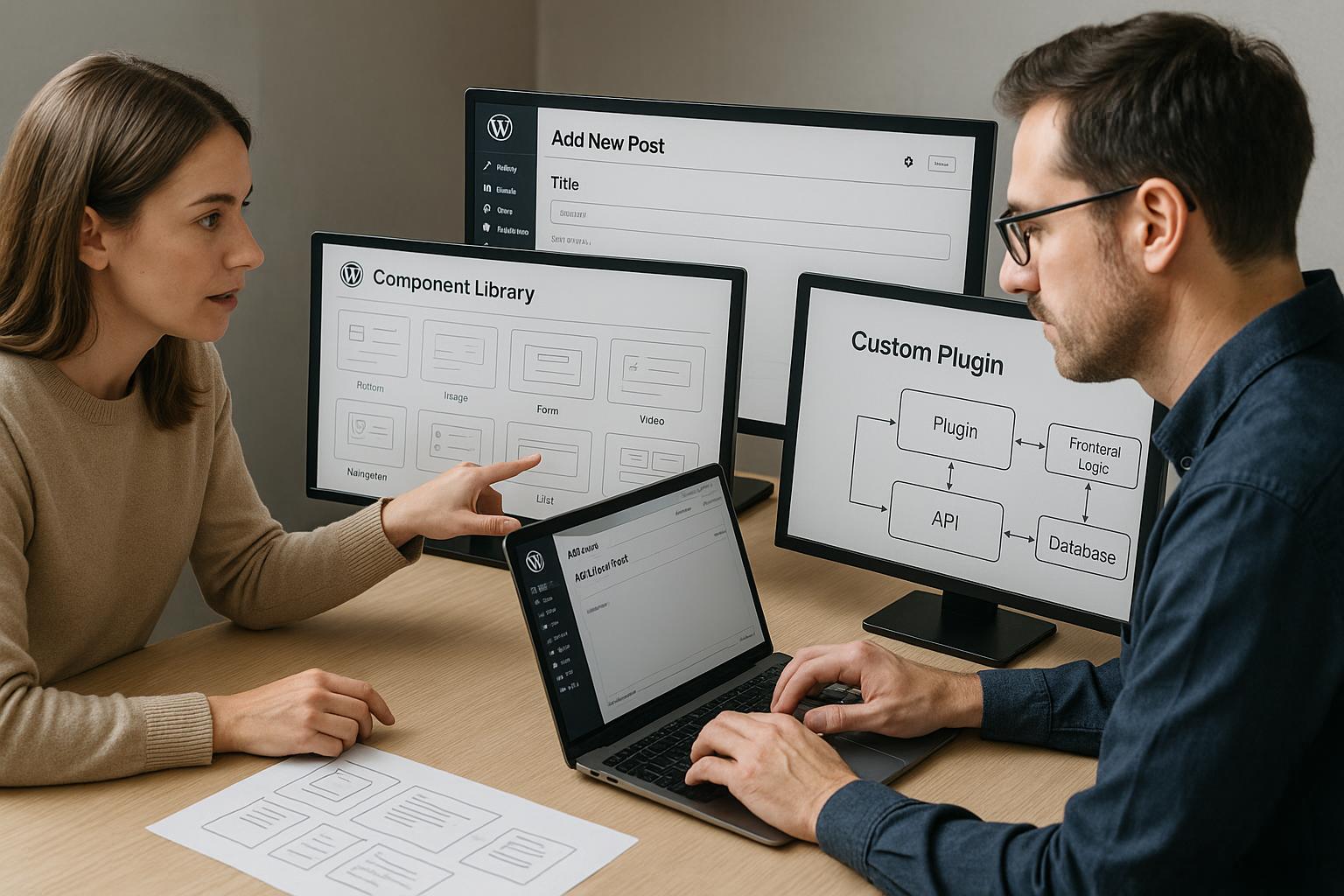
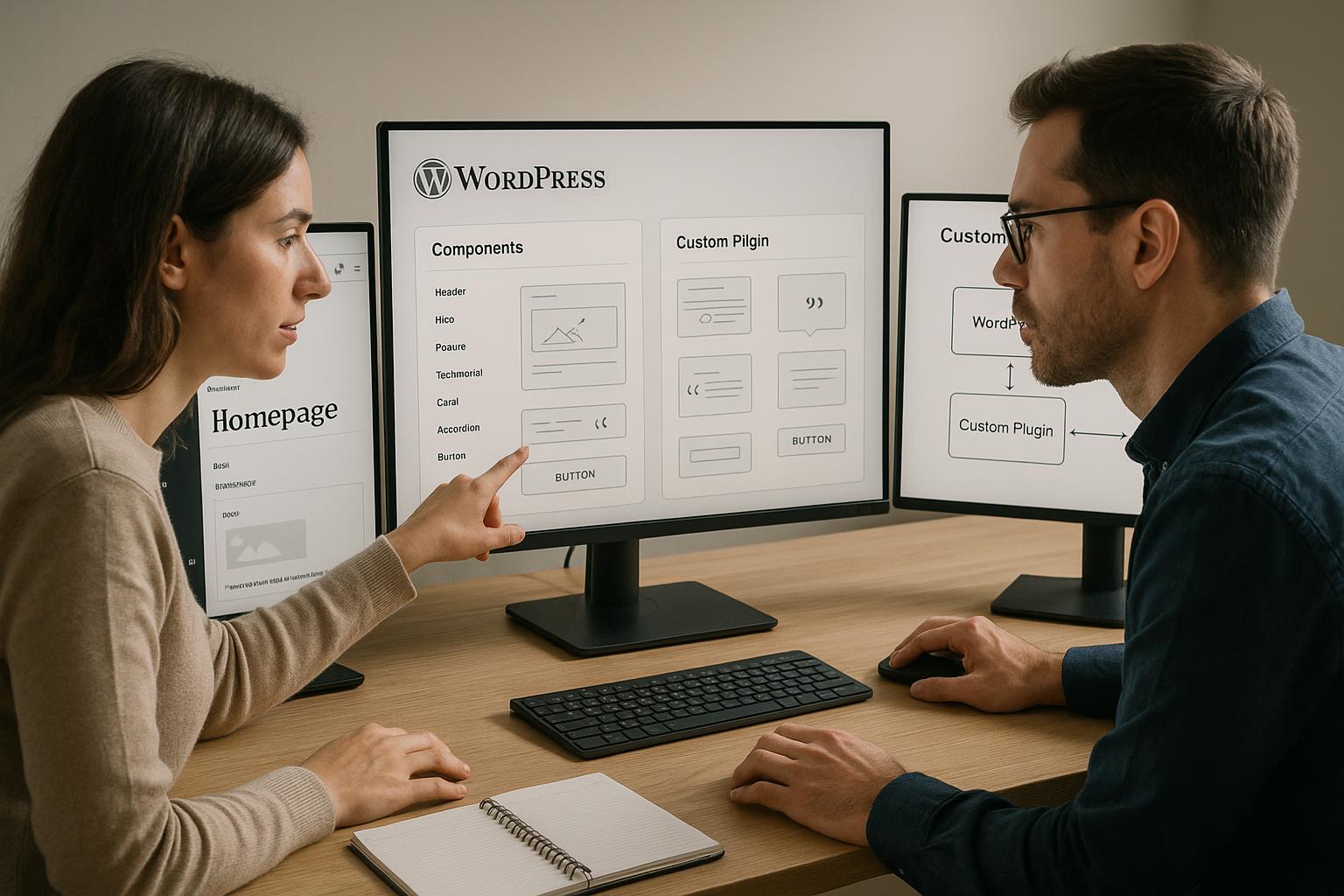
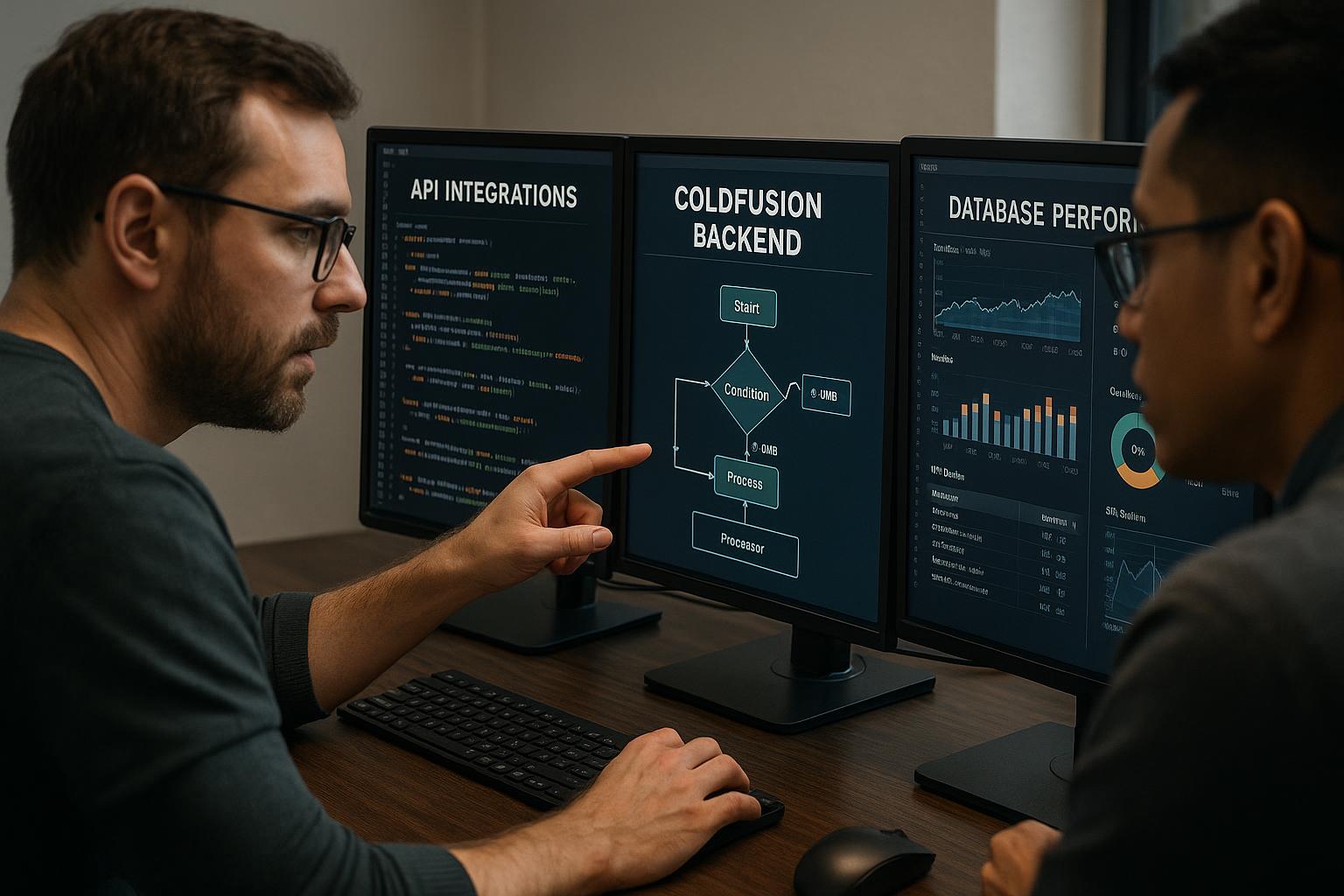
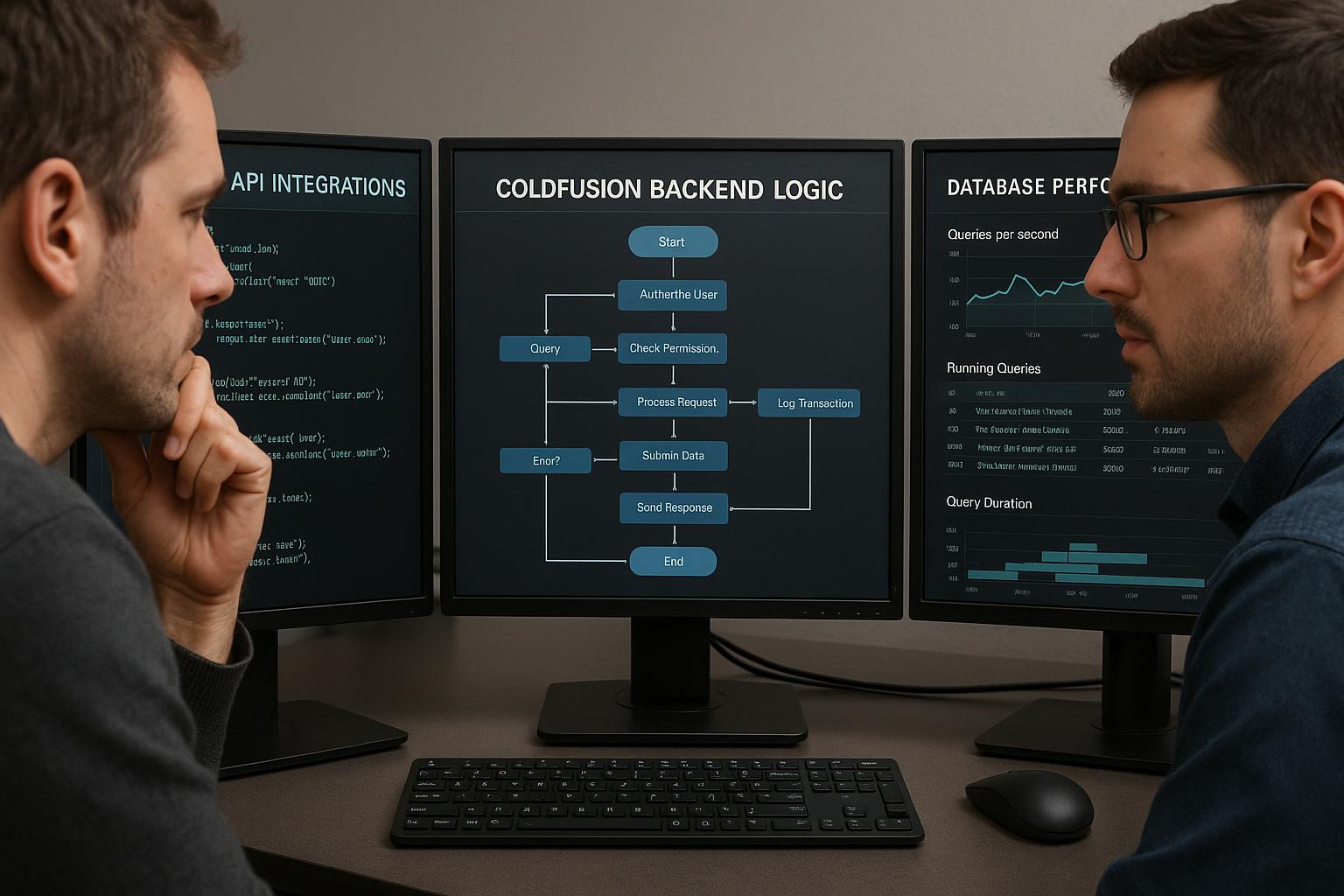
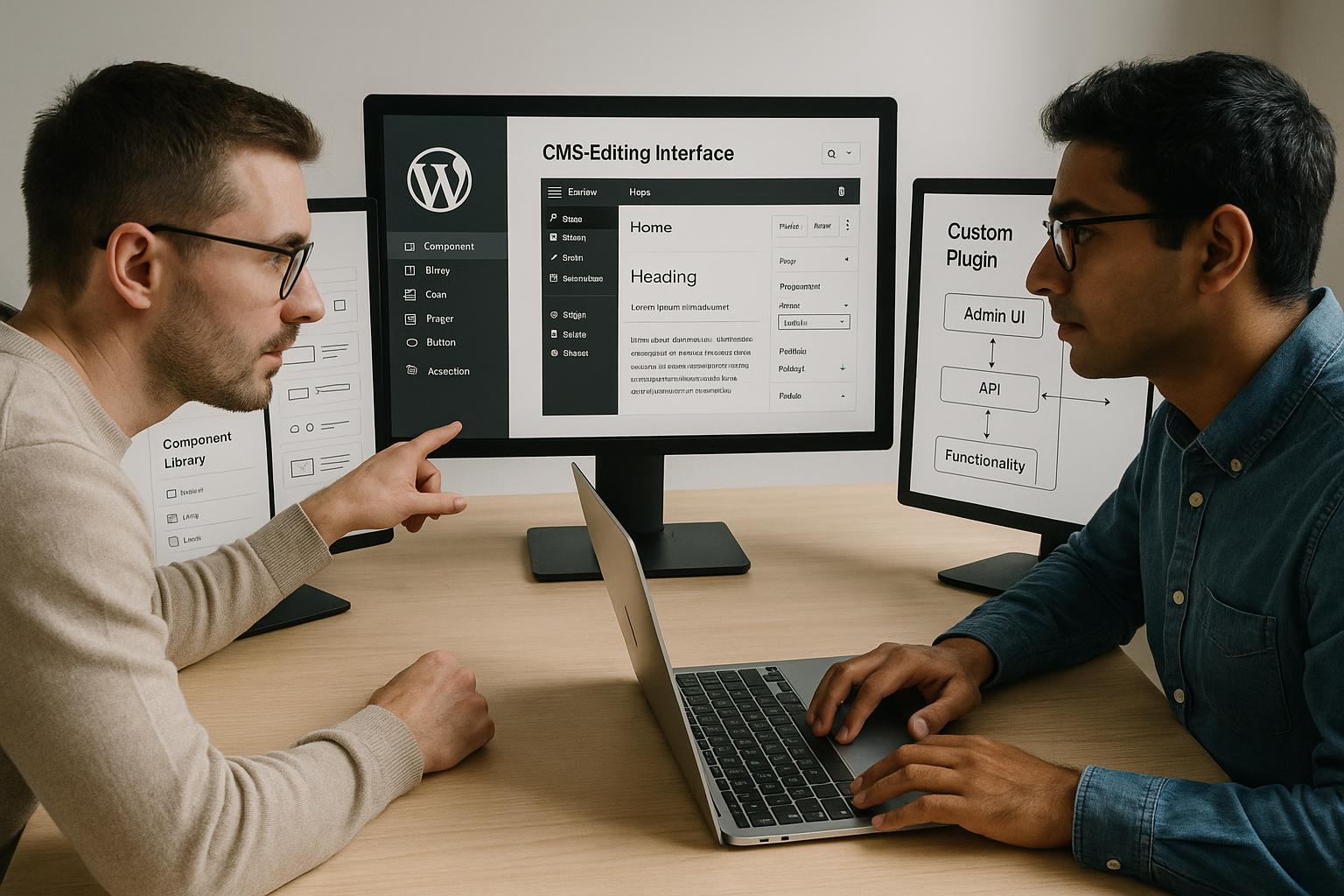
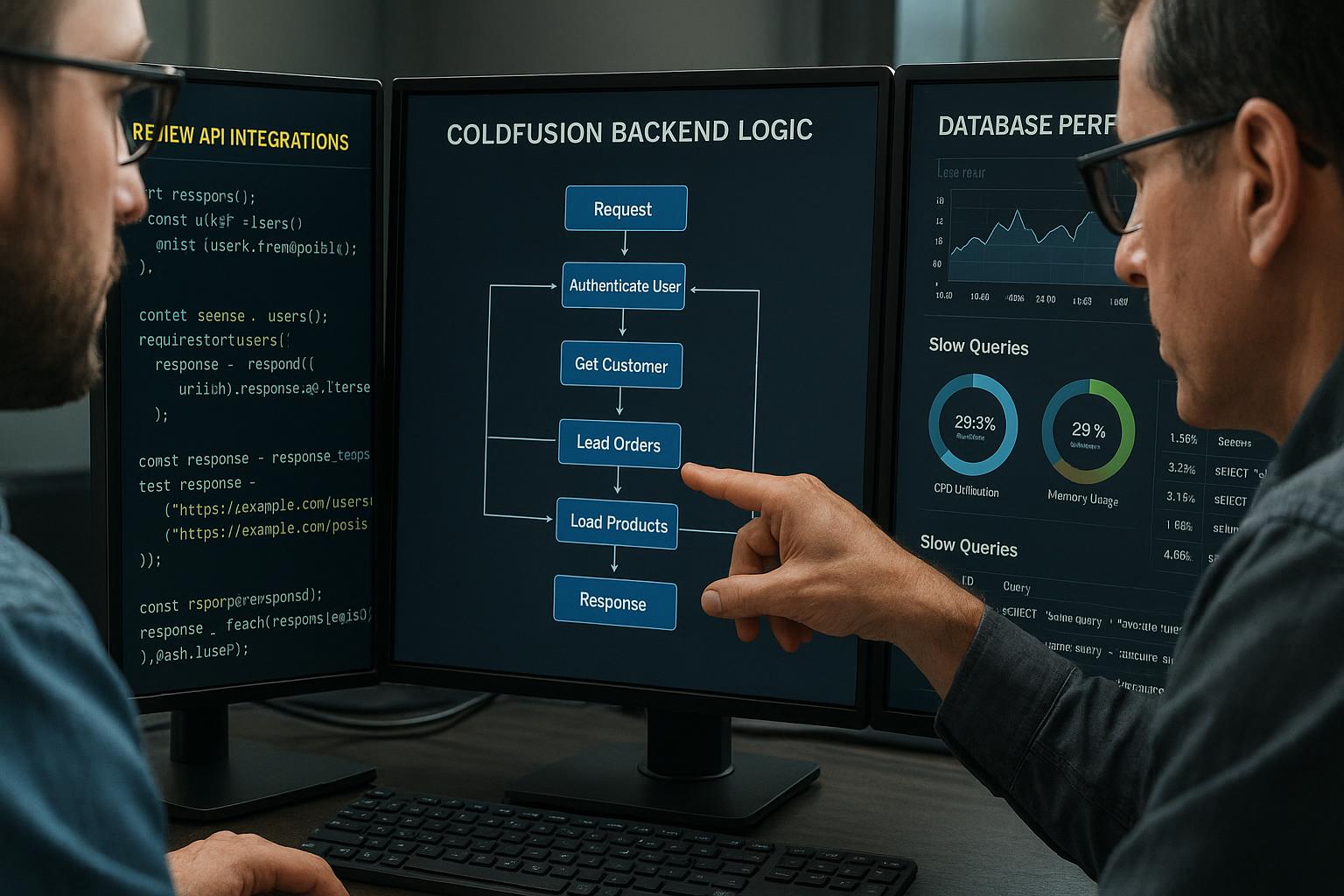
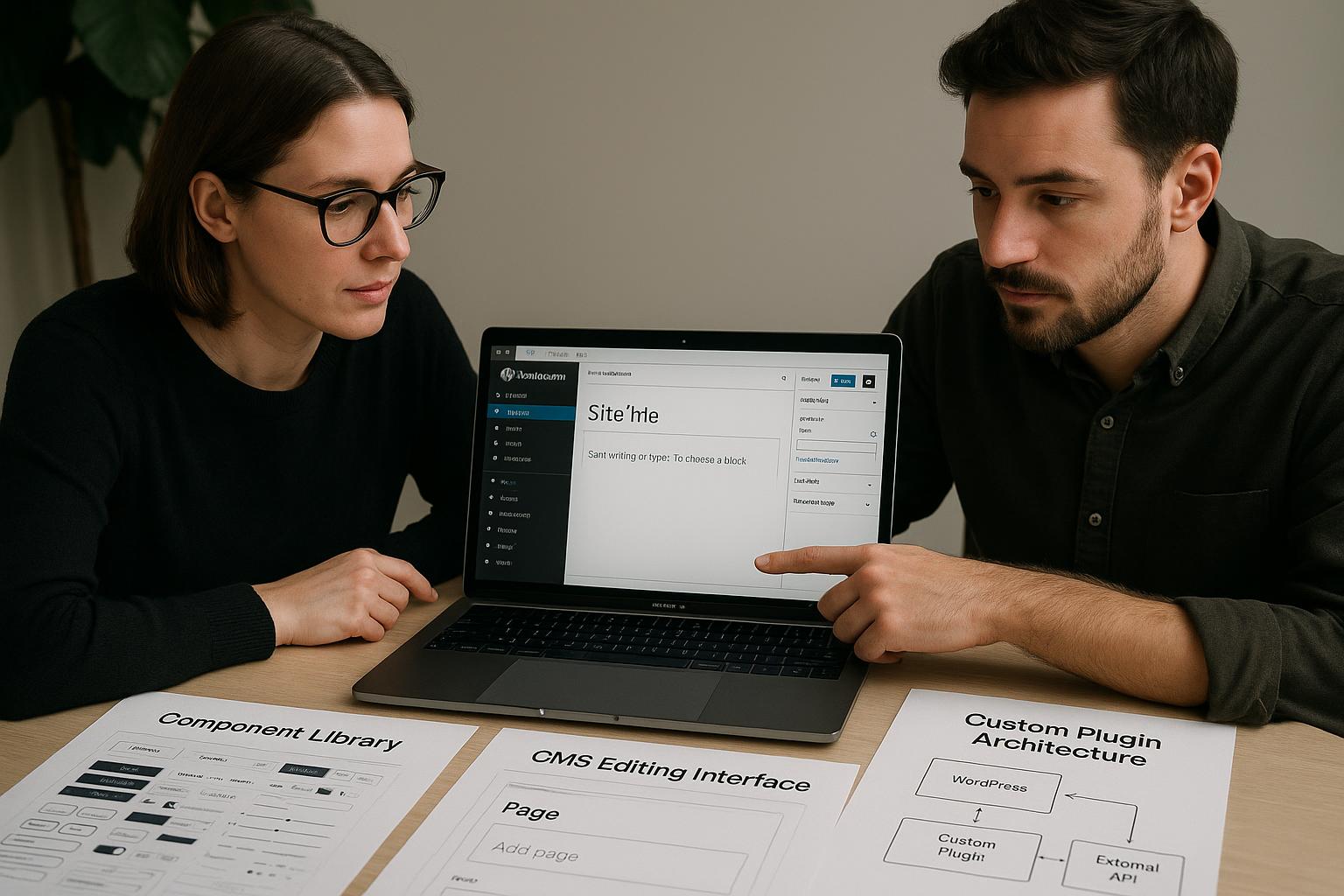
Developing sophisticated database applications requires expertise in multiple domains, including database design, security, cloud computing, and front-end integration. Able Roofing brings extensive experience with web development, certified expert ColdFusion developers, top-level graphic designers, and MySQL and MSSQL database specialists. Our team ensures your project is built with best practices, optimized for performance, and aligned with your business goals.
For professional guidance and to leverage the latest in database applications development, contact us today. Reach out via email at chris@headlinemedia.com or call (310) 378-4073 to discuss your project needs.
1. What are the most popular types of databases used in modern applications?
Relational databases like MySQL, PostgreSQL, and MSSQL are widely used for structured data, while NoSQL databases such as MongoDB, Cassandra, and DynamoDB are preferred for unstructured or semi-structured data.
2. How can I ensure my database application remains secure?
Implement encryption (at rest and in transit), role-based access control, regular security audits, and keep all software updated to patch vulnerabilities.
3. What are the benefits of cloud-native database architectures?
They offer scalability, flexibility, reduced costs, simplified management, and high availability, making them ideal for modern, dynamic applications.
4. How do I choose between SQL and NoSQL databases?
Consider your data structure, scalability needs, and use case. SQL databases are ideal for structured data with complex queries, while NoSQL excels with large-scale, unstructured, or semi-structured data.
Partnering with Headline Media guarantees expert guidance in developing database applications that are innovative, secure, and tailored to your business needs. Our team of expert web developers, certified ColdFusion specialists, and database experts are committed to delivering top-tier solutions that drive results. Whether you’re building a new system or optimizing an existing one, we provide comprehensive support from design to deployment.
For more information, please contact us at chris@headlinemedia.com or call (310) 378-4073. Let us help you harness the full potential of your data with cutting-edge database applications designed for success in 2024 and beyond.
"Able Roofing transformed our data management system, making it faster, more secure, and scalable. Highly recommended!"
- Sarah Johnson
"Their team’s expertise in database development and cloud integration was instrumental in our project’s success."
- Michael Lee
"Thanks to Headline Media, our database applications now support real-time analytics, significantly improving our decision-making."
- Emily Rodriguez